Second Phase of the Labour Market Inclusion of Disadvantaged Youth Project – Results and Impact
Second Phase of the Labour Market Inclusion of Disadvantaged Youth Project – Results and Impact
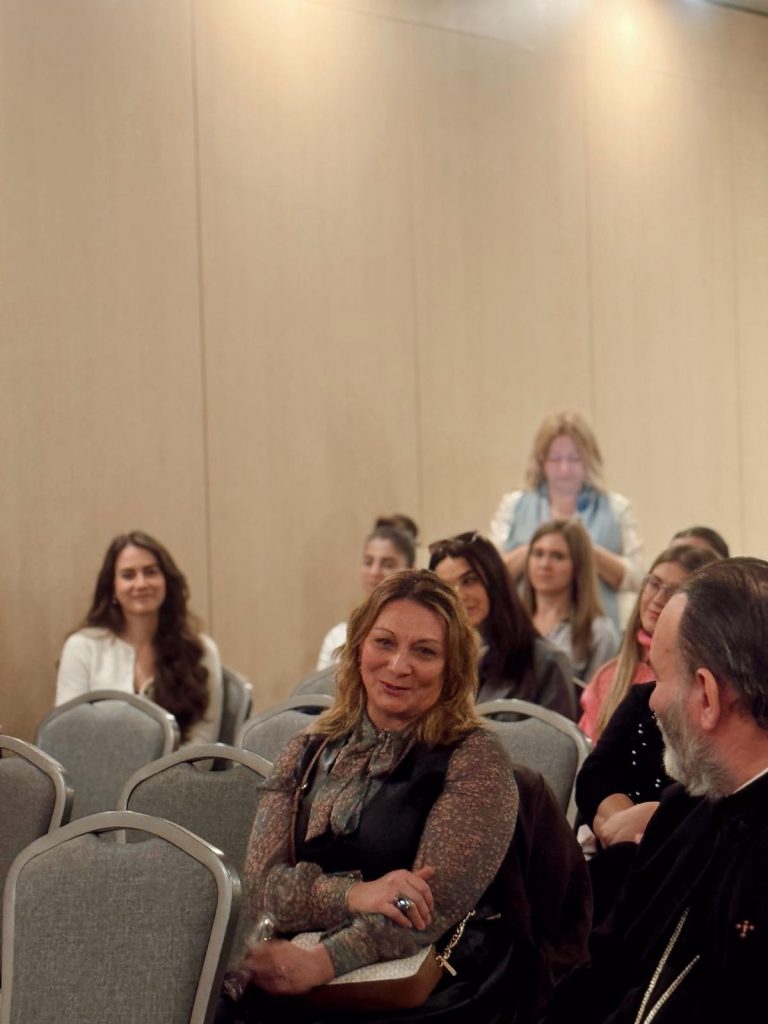
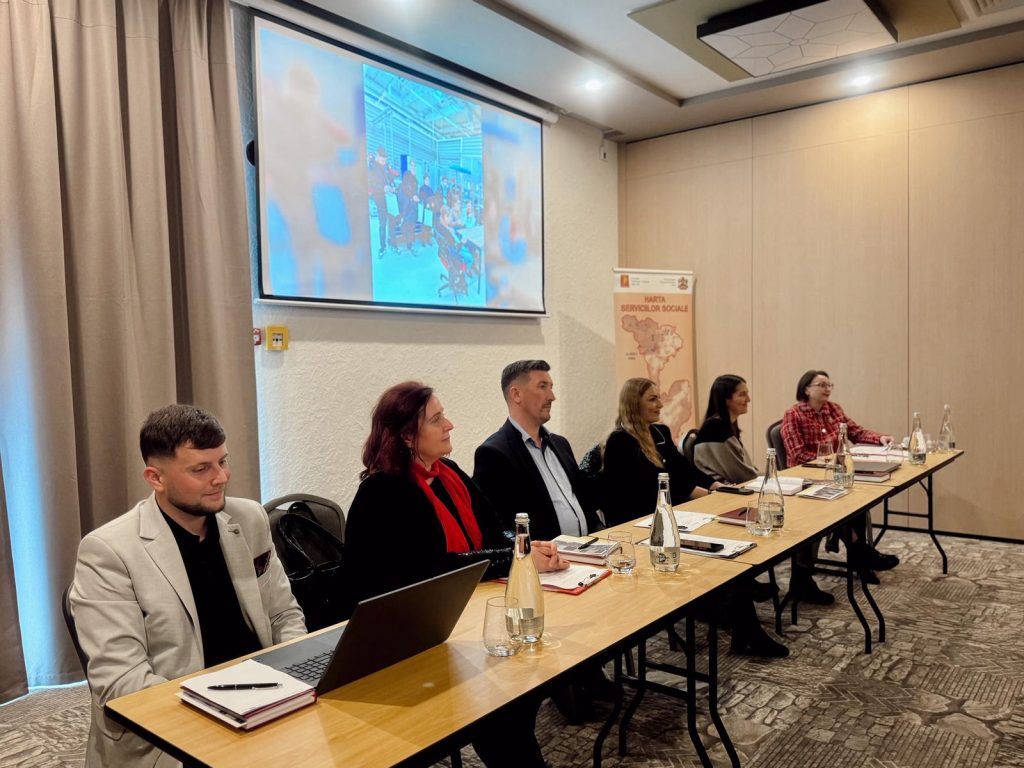
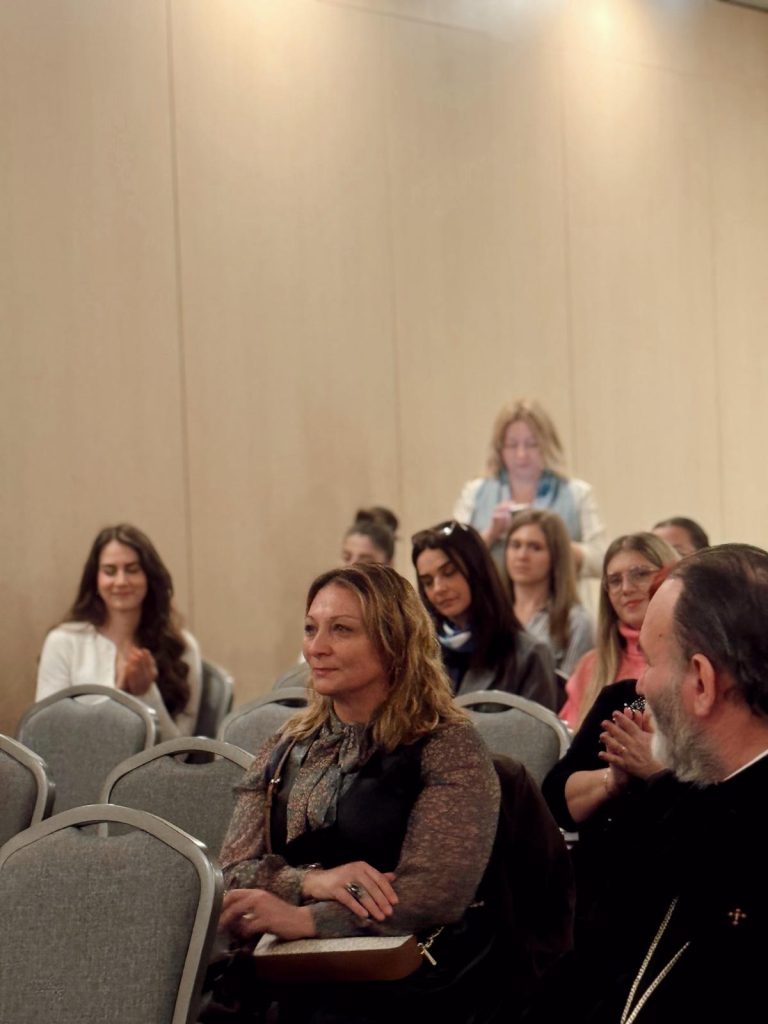
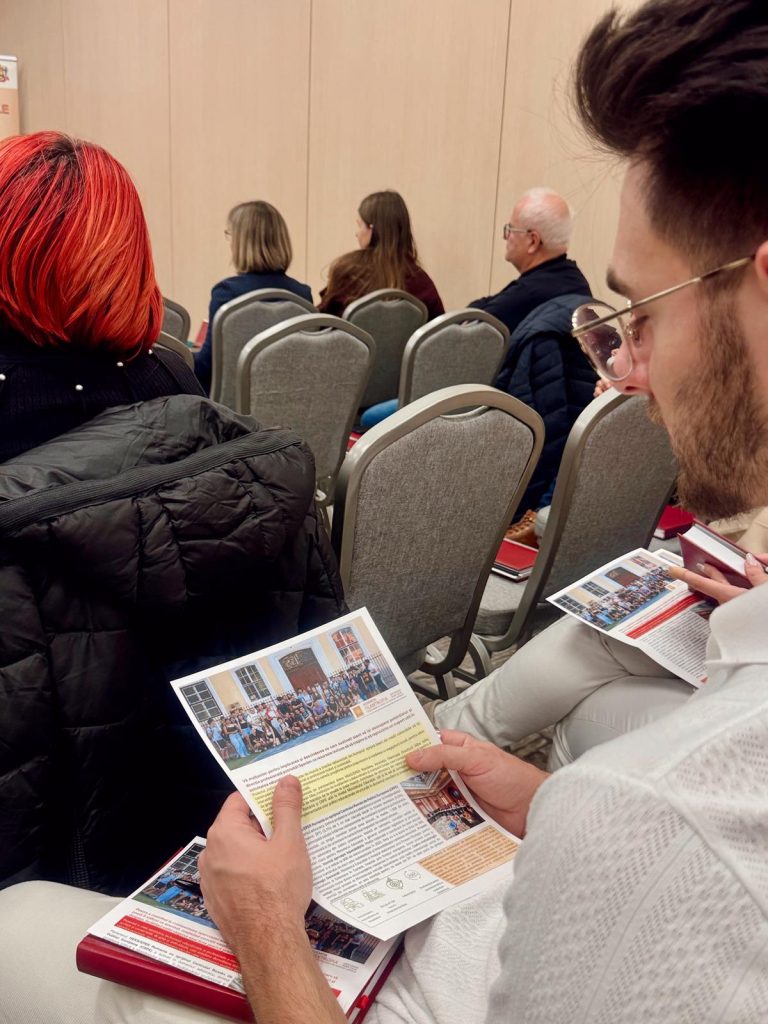
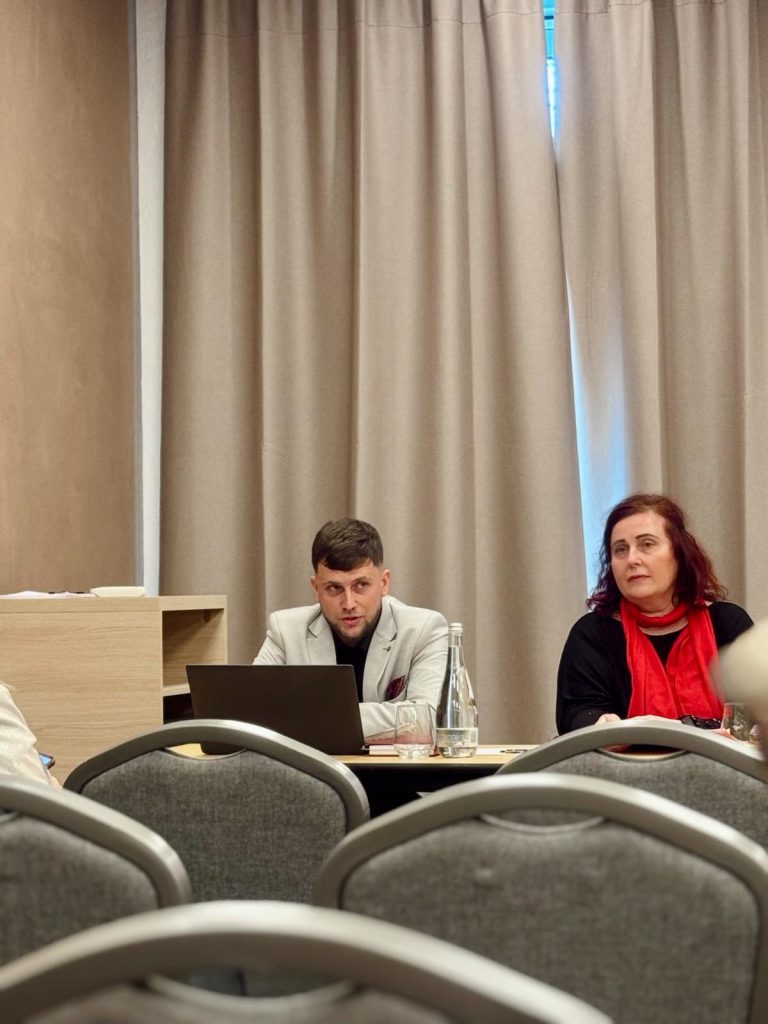
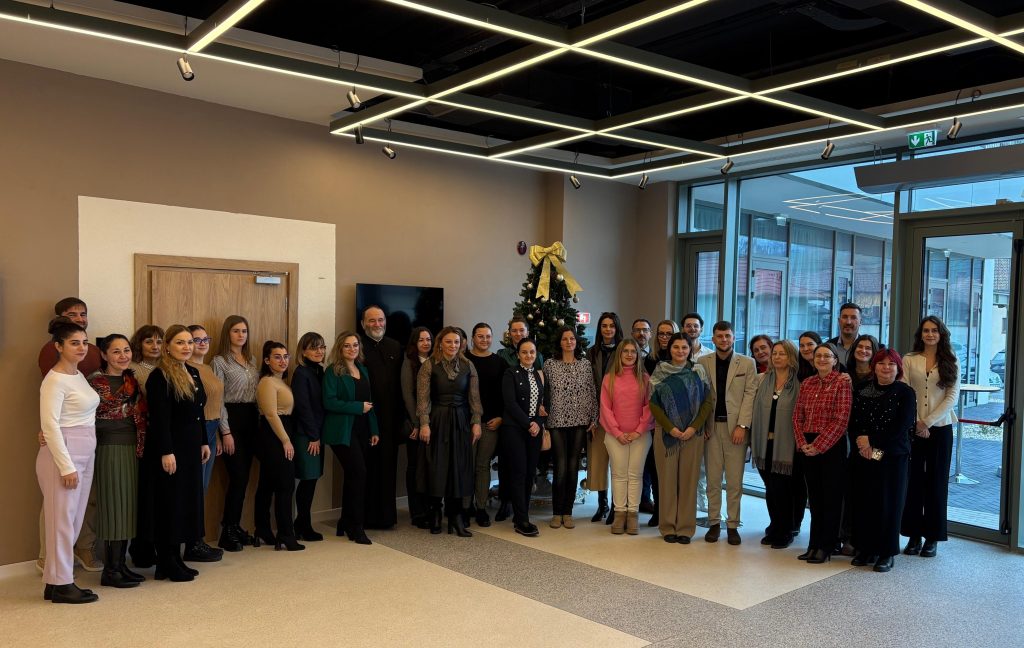
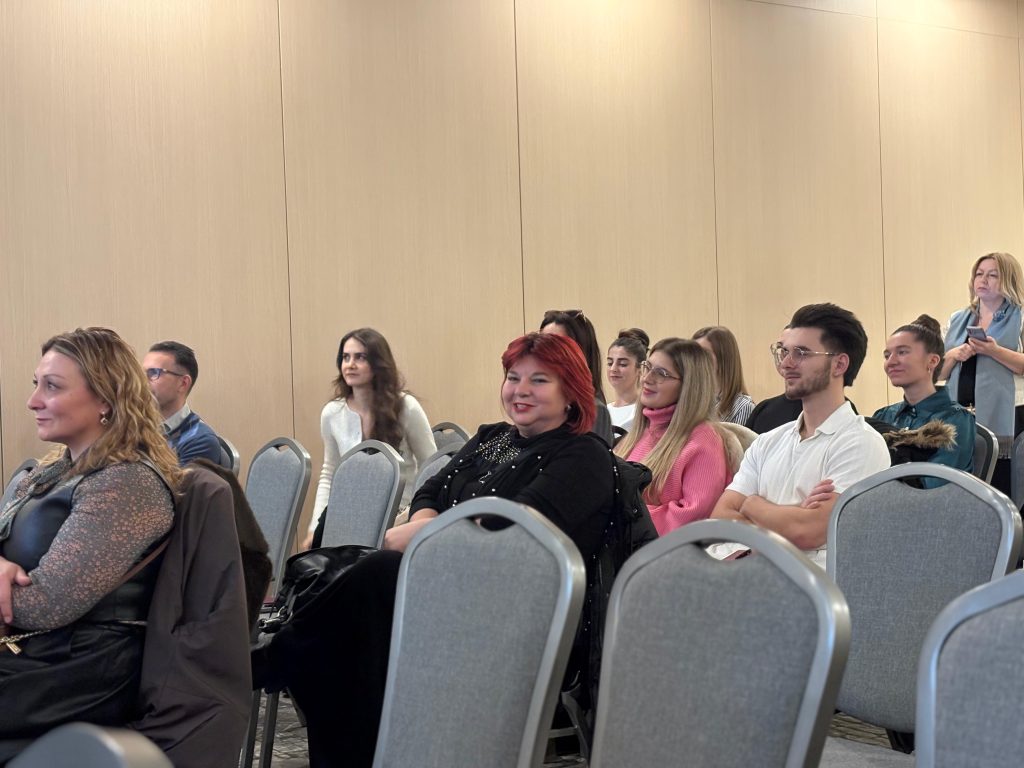
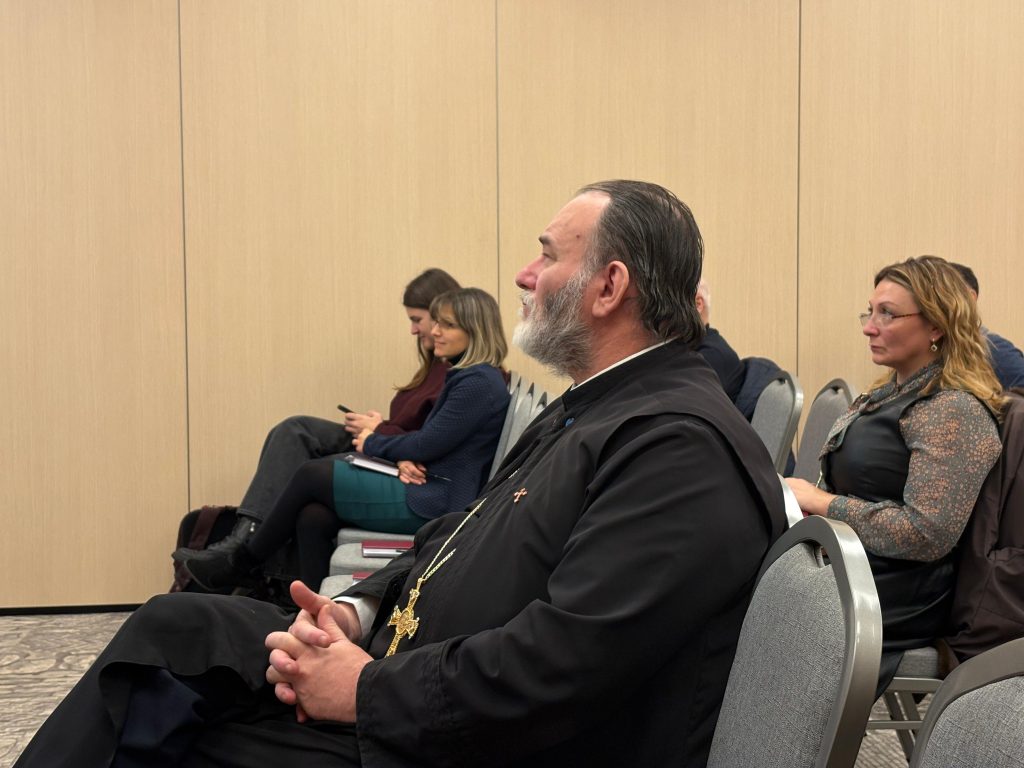
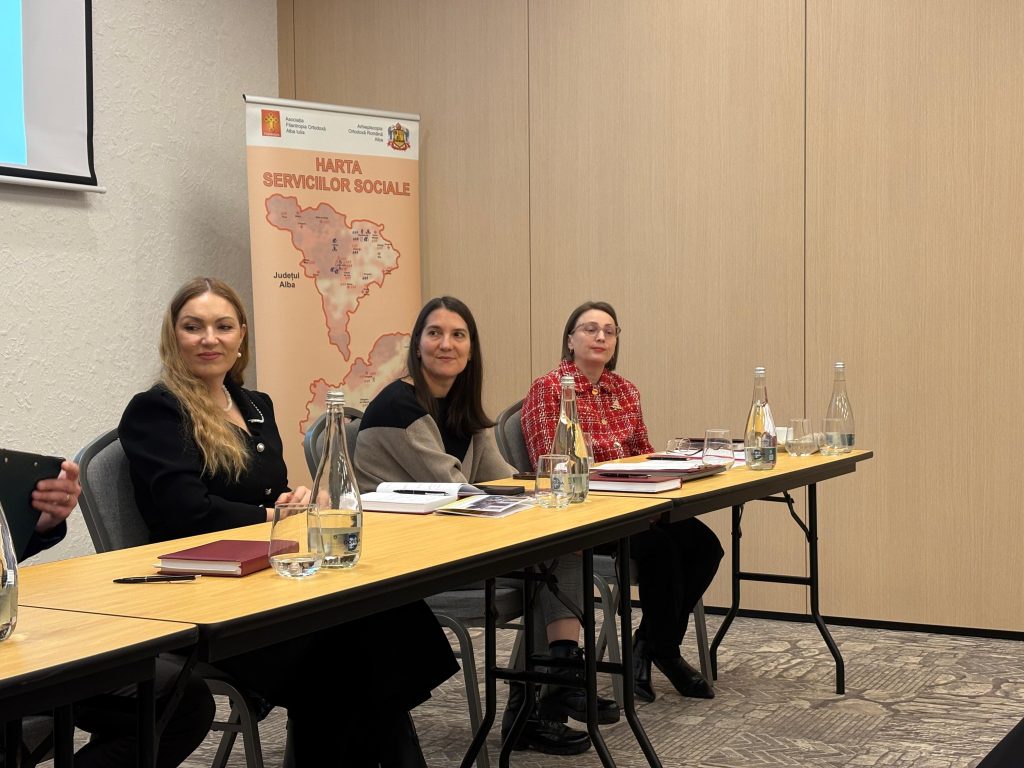
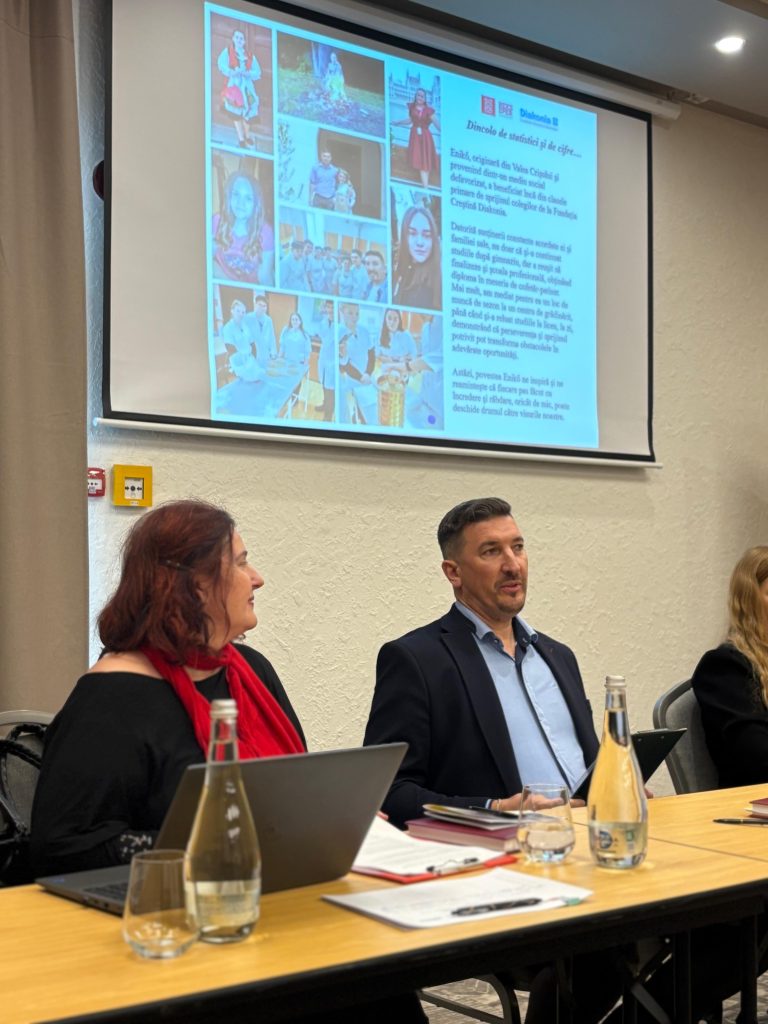
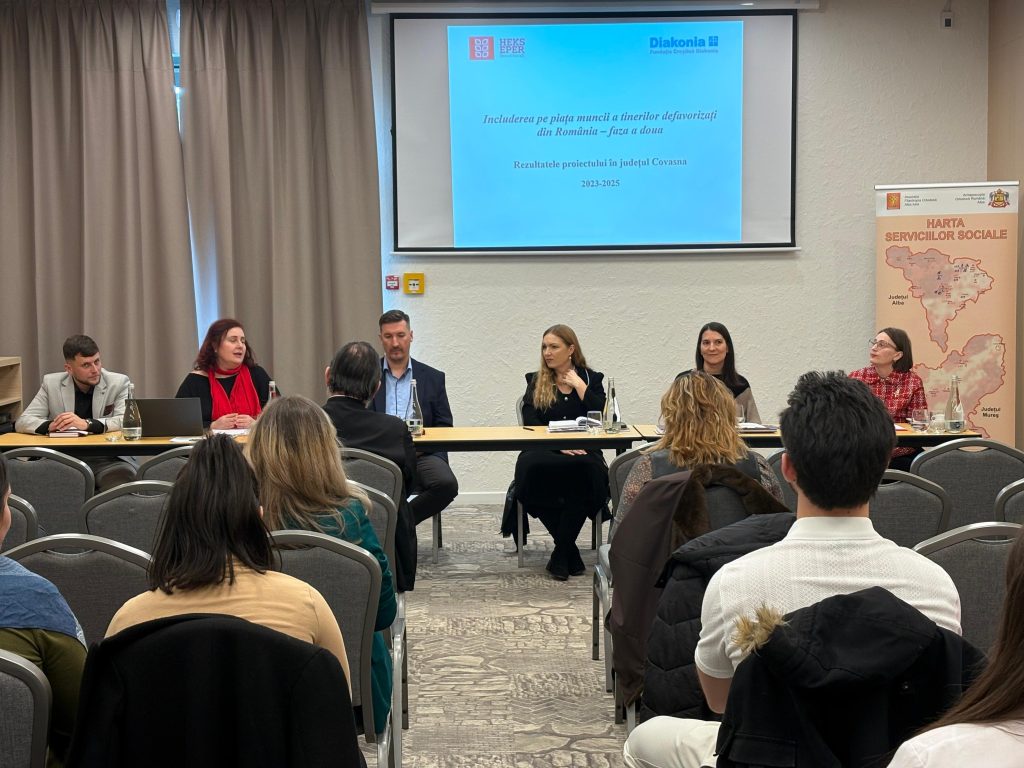
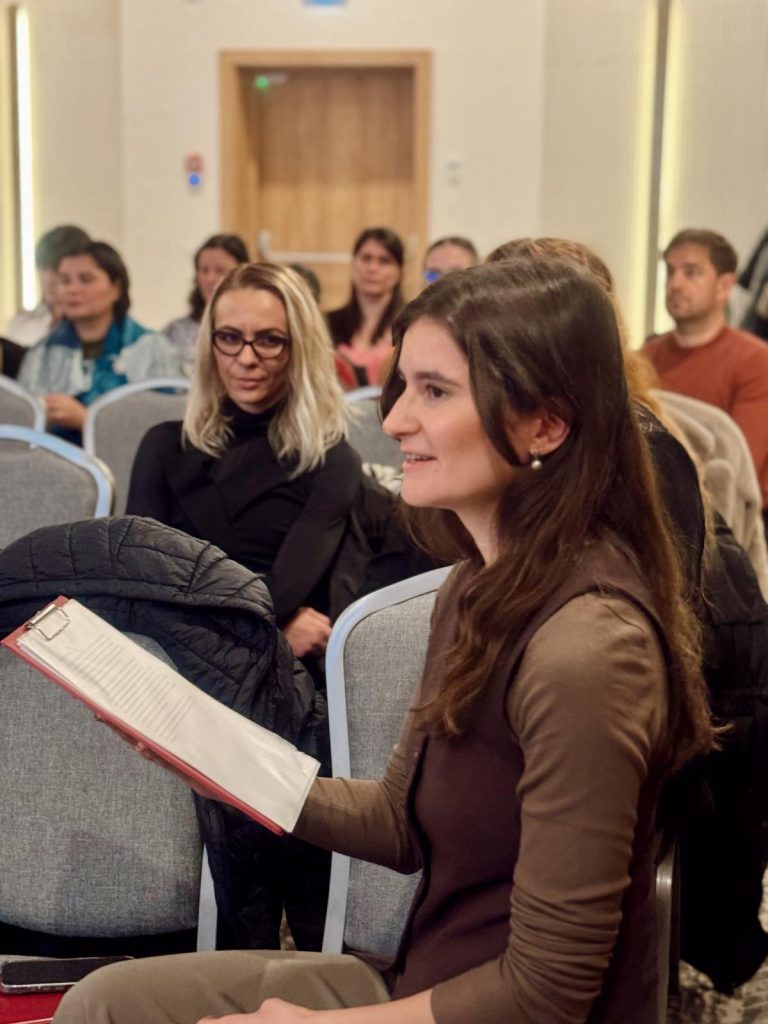
The project “Labour Market Inclusion of Disadvantaged Youth in Romania – Phase II”, dedicated to secondary and vocational education students from Alba and Covasna counties, has reached the end of its second implementation phase. The project’s results and impact on students were presented on December 18 during the dissemination event held at Hotel Mercure in Alba Iulia.
The event brought together the project partners – HEKS/EPER Romania Foundation, Orthodox Philantropy Alba Iulia Association, and Diakonia Sf. Gheorghe Christian Foundation – alongside representatives of the Alba County School Inspectorate, partner schools, and involved employers.
Our foundation has been active in the field of education for over nine years and has been consistently supporting students from disadvantaged backgrounds for the past six years, including through career guidance activities. Over the last three years, more than 2,400 students from 21 schools in Alba and Covasna counties have benefited from this support. We are grateful for the results achieved within a relatively short period of time.
The project’s results were made possible through strong collaboration among all stakeholders involved, including:
- the Alba and Covasna County School Inspectorates;
- our partners, Filantropia Ortodoxă Alba Iulia and Diakonia Christian Foundation Sfântu Gheorghe, who implemented activities at local level;
- partner schools, which supported the delivery of educational activities;
- companies and public institutions that facilitated visits, collaborations, and job mediation activities;
- students and their families, who placed their trust in us by participating in the project’s activities.
Most of the students who received counselling were from 8th grade and 11th grade vocational education classes, with the project focusing on two key transition moments in their educational pathways:
- the transition from lower secondary education to upper secondary or vocational education;
- the transition from vocational education to first employment.
An important component of the project also focused on career counselling for girls from disadvantaged backgrounds in lower secondary education, as well as on counselling their families, with a strong emphasis on the importance of education, girls’ right to education, and the continuation of studies.
Throughout the school year, career guidance and counselling activities included individual and group counselling sessions, the use of the Cognitrom Career Planner platform, remedial classes in Romanian language, Hungarian language and mathematics, visits to companies and high schools, educational camps, family counselling, and meetings with professionals from various fields.
Graduates of 11th grade vocational education who wished to enter the labour market were supported through job mediation activities. For girls in lower secondary education, numerous practical activities, games and creative workshops were organised, alongside counselling sessions addressed to parents.
Through these activities, the project contributed to an increase in the transition rate from grade 8 to grade 9 in partner schools, which exceeded 96% (compared to a baseline level of 85%). In addition, 184 project beneficiaries who graduated from vocational education secured employment. The activities also had a positive impact on students’ self-confidence and motivation to continue their education.
Complementary to the activities dedicated to students, the project also included an advocacy component, with key recommendations communicated through:
- the organisation of and participation in events (roundtables, the Education Committee of the Romanian Parliament);
- public consultations (the Regulation on the Organisation and Functioning of Pre-university Education Units, the Student Statute, the standard cost per student in vocational education, and curriculum frameworks);
- rapid responses to announced fiscal measures, with a particular focus on maintaining the technological scholarship.
The project also played an important role from a sustainability perspective, contributing to strengthened collaboration between key stakeholders such as schools, county school inspectorates, employment agencies (AJOFM), and employers. The 10 local working groups organised over the three years of the project acted as catalysts for interinstitutional cooperation, public policy dialogue, and the exchange of good practices.
During the event, we also presented an online resource library for counselling lower secondary and upper secondary students, available via the attached link.
In closing, we would like to share the words of an 8th grade student who participated in the project’s activities:
“It helped me a lot with my self-confidence, because it made me believe that I can achieve what I set out to do. It also helps me with motivation to work towards my goals. Sometimes I lie in bed and don’t feel like doing maths, but then I remember: ‘Wait, I set these goals in order to become something in life.’ And then I get up and do a few calculations, maybe just a little, but I still do something.”
Stories like this motivate us to continue our work and reinforce our belief that our interventions have a real impact, beyond indicators and statistics.
Below, you can also find a summary of the evaluation report for the project “Labour Market Inclusion of Disadvantaged Youth in Romania – Phase II”.