Teacher Training in Covasna County: How to Better Support Students from Vulnerable Backgrounds
Teacher Training in Covasna County: How to Better Support Students from Vulnerable Backgrounds
41.5% of students in Romania are affected by vulnerability. That is twice the European average (Kiss & Groza, 2022).
But what really lies behind this number?
Sometimes a student who becomes aggressive, withdraws or often misses school receives a lower conduct grade. Yet the behaviour we see may be only part of the story. The causes may lie in difficulties the student faces at home or in the wider environment where they are growing up. What would change if we first tried to understand what their behaviour is telling us?
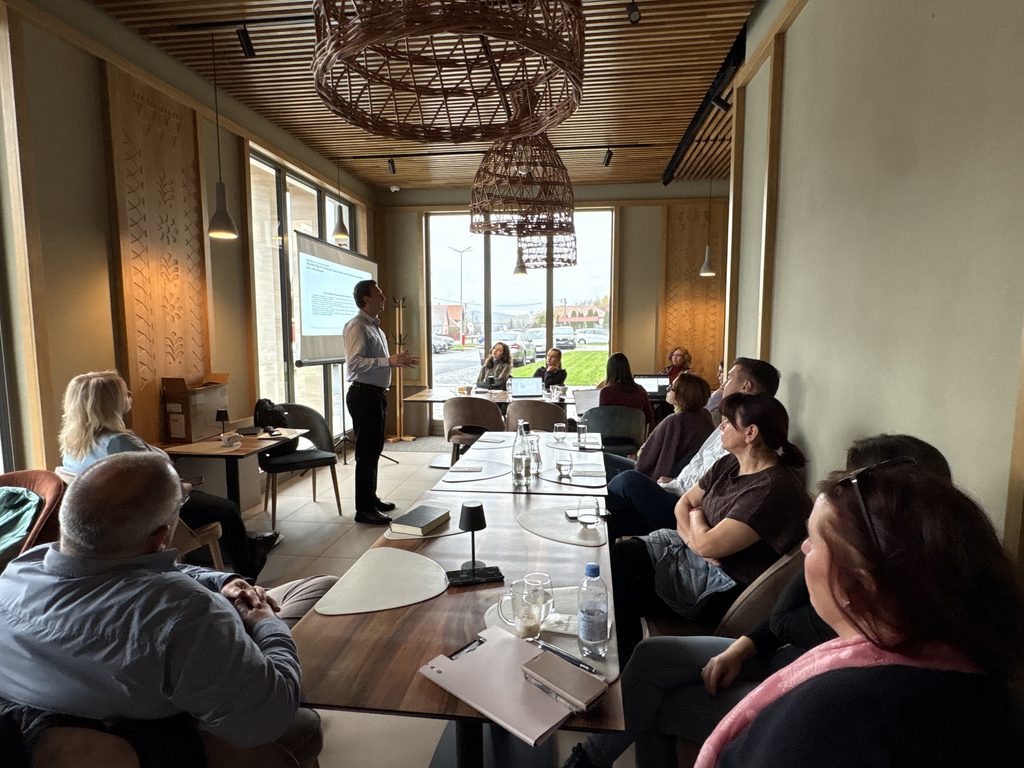
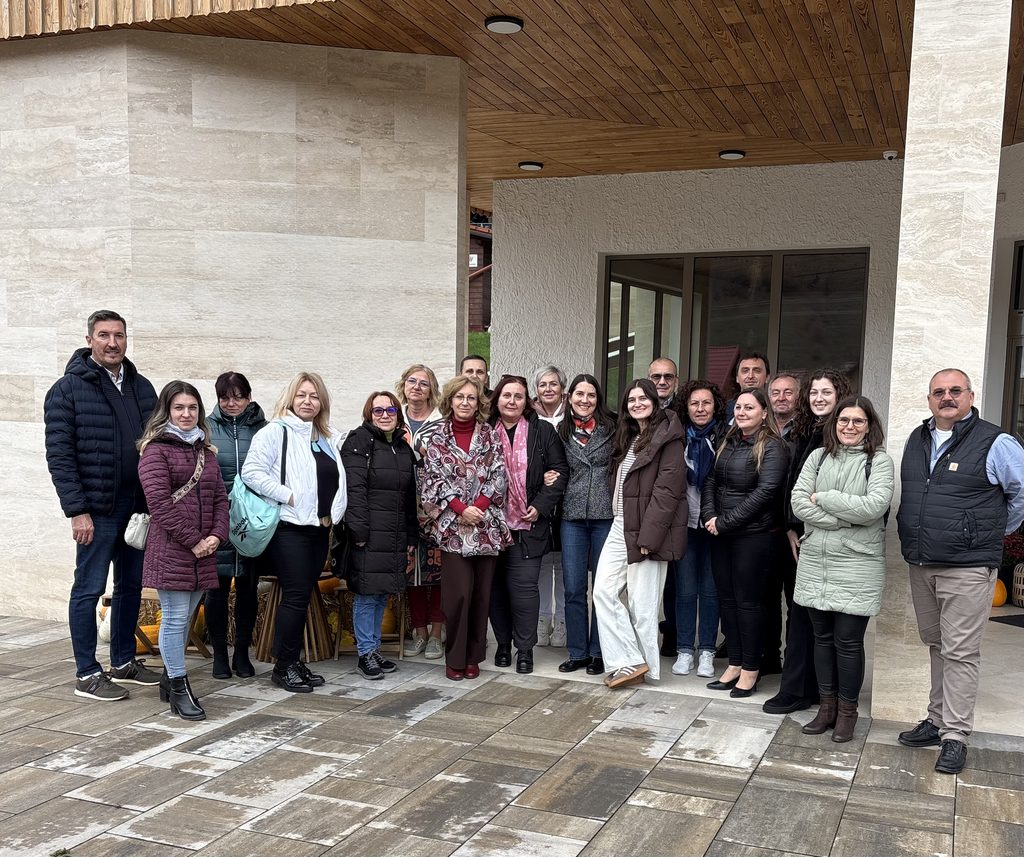
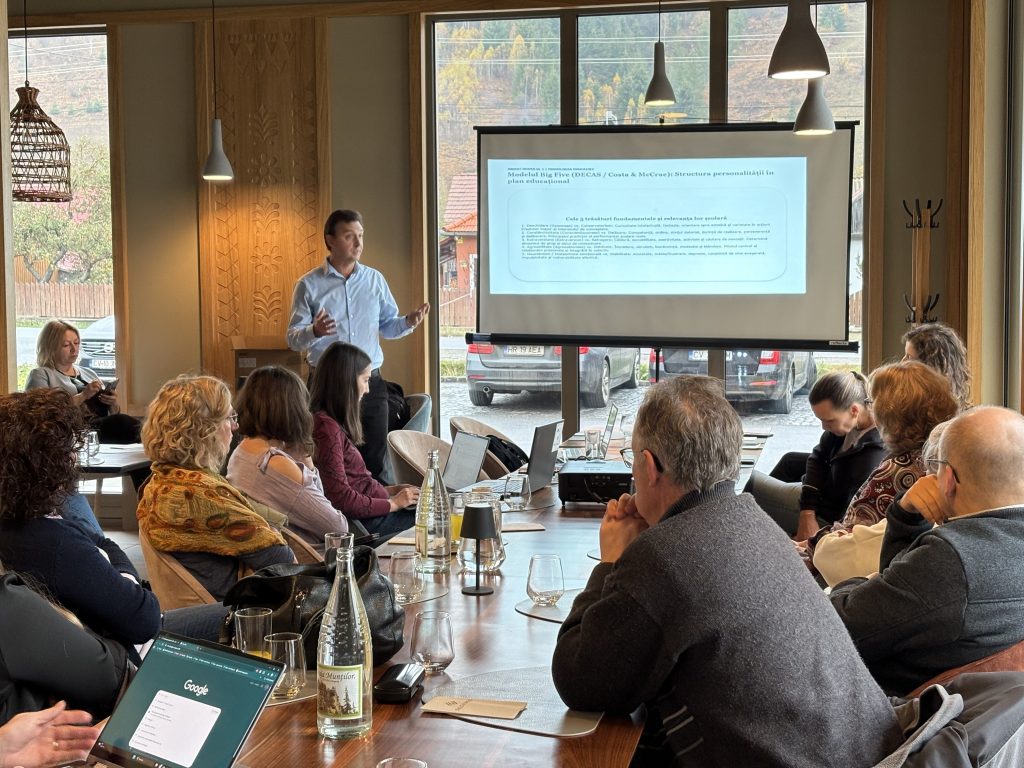
This was one of the ideas explored during the training programme on working with students from vulnerable backgrounds, held on 26–27 October. It was attended by 21 teachers, school counsellors and practitioners. We were joined by teachers and counsellors from four partner schools in Covasna County: Berde Áron Technological High School, Puskás Tivadar Technological High School, Nicolae Colan Secondary School in Sfântu Gheorghe and Baraolt Secondary School. Colleagues from Diakonia Christian Foundation Sfântu Gheorghe and HEKS/EPER Romania also took part. The sessions were led by Assoc. Prof. Julien-Ferencz Kiss, PhD, of the University of Oradea.
The discussion was framed by several figures that highlight the challenges facing Romanian education:
• 377,912 fewer students in 2021–2022 than 2011-2012 school years.
• Only 19–23% of young Romanians complete higher education, compared with 43–49% in the EU.
• Results in core subjects are 50–60 points below the OECD average, equivalent to one to two years of schooling (OECD, 2026; Kiss & Groza, 2022).
In this context, one of the ideas that guided the discussion was that educational success should not be measured only by the achievements of a few Olympiad winners. It should also be measured by the level most students reach. A student who moves from a 3 to a 5 (on a 10-point scale) has taken an important step, even if there is still a lot to catch up on. How can we recognise and support this progress, instead of focusing only on top results?
The discussion matters even more in grades 5 and 6. This is a period of transition, when students need support suited to their stage of development and concrete learning opportunities, through experience and active involvement.
These ideas also shaped the six modules of the training, which addressed vulnerability and individualised support, career counselling and dual vocational education, preventing discrimination, working with families, classroom management, and practical tools teachers can use in their everyday work.
The training was organised by HEKS/EPER Romania Foundation and Diakonia Christian Foundation Sfântu Gheorghe during the phase-out stage of the “Labour Market Inclusion of Disadvantaged Young People in Romania” project. It contributes to strengthening the partner schools’ capacity to continue supporting students independently, including through counselling activities.
We would like to thank all participants for their commitment and their openness to exploring new perspectives on supporting students from vulnerable backgrounds.
References:
Kiss, J. F., & Groza, G. (2022). Vulnerabilitatea educațională în România. În J. F. Kiss (Coord.), Educația în mediile vulnerabile.
OECD. (2026). PISA 2025 Results: Insights and Trends in Educational Equity. OECD Publishing.